
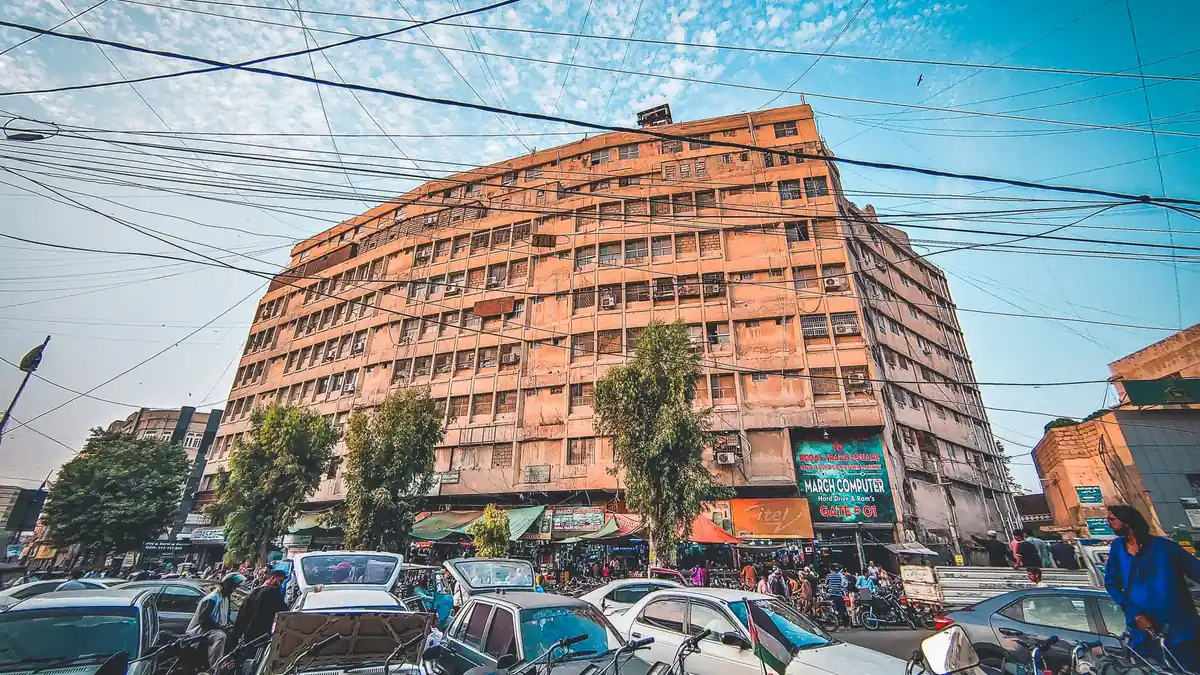
If you have booked a Karachi rent a car with driver for a wedding, a hospital appointment, a mall trip or an office meeting, the short answer is this: ask the driver to wait when you will be inside for less than about an hour and a half, when the drive back would cross Shahrah-e-Faisal at a busy time, or when you might need to leave suddenly. Let the driver go and come back when you will be inside for a long, predictable stretch, when the venue has nowhere sensible for a car to stand, and when the return drive is short and off the main corridors.
That rule of thumb only works if you agree two things before the day: where exactly the driver will wait (or where they will come back to), and how waiting time is counted and charged. Most arguments on the day come from a family assuming one thing and the driver or operator assuming another. The rest of this guide goes venue by venue, then covers traffic, evening functions, the call-back routine and the questions to settle in writing.
Why the wait-or-return decision matters in Karachi
Karachi is big. The 2023 census put the city at around 20.3 million people, and the Karachi article on Wikipedia cites roughly 15,500 km of roads carrying about 5 million vehicles a day. A driver who drops you in Clifton and heads off to "somewhere nearby" may be further away, in time, than you imagine when you ring for them.
Then there is the main artery. Shahrah-e-Faisal runs about 18 km from the Metropole end of central Karachi out to Star Gate near Jinnah International Airport, and Wikipedia's figure is roughly 250,000 vehicles a day. It was rebuilt as a signal-free road in the 2000s, which helps, but research cited on the same page names it the most fatal road in the city. A return trip that relies on it at the wrong hour can turn a ten-minute call-back into a forty-minute one.
So the decision is not really about the driver's comfort or yours. It is about three practical things:
- Time to reach you once you ring.
- A safe, legal spot for the car while you are inside.
- What you pay for the hours in between.
The quick decision table
Use this as a starting point, then adjust for your own day. The durations are planning examples, not rules from any authority.
| Situation | Usually better | Why |
|---|---|---|
| Wedding hall or marquee, full function | Driver waits, or returns at a fixed time you agree | Long evening, crowded exits, late finishes |
| Hospital outpatient appointment | Driver waits | Clinic times slip; patient may need to leave at once |
| Hospital admission or long visiting hours | Driver returns | Hours inside; hospital drop-off lanes are for dropping off |
| Mall visit with family | Driver waits in mall parking, or returns at a fixed time | Large malls usually have their own parking; shopping runs long |
| Office meeting, one or two hours | Driver waits | Meetings end unpredictably; short gap |
| Office day, half day or more | Driver returns | Long, predictable gap |
| Dinner at a restaurant | Driver waits | Short gap; late-evening pick-up easier if the car is close |
| Airport drop then a second job | Separate bookings | Different timings and meeting points |
If you want to see how a full day hire is usually structured before you decide, our car and driver service page sets out how we plan chauffeur days in Pakistan.
Venue by venue: where a driver can actually wait
Karachi parking near venues is the part most rent-a-car listings skip. The answer changes a lot from one venue type to the next, so it helps to think about each one separately.
Wedding halls and marquees
A driver waiting at a wedding hall in Karachi faces the same problem as every other guest's driver: dozens, sometimes hundreds, of cars arriving within the same hour and leaving within the same half hour. Many halls and marquees have a car park or a staffed parking arrangement, but it fills early, and the cars nearest the gate are rarely the ones that get out first.
What tends to work:
- Ask the hall what it offers. Some venues have their own parking with attendants; others rely on side roads. The family hosting the function usually knows.
- Agree a pick-up point that is not the main gate. A side lane, a named shop or a petrol station a short walk away is often quicker at the end of the night than the gate itself, where every car is trying to stop at once.
- Decide whether the driver stays for the whole function. For a mehndi, barat or walima running late into the evening, staying is often simpler than a mid-evening return through traffic.
- Keep the elderly and the children in mind. If someone may need to leave early, a waiting driver is worth the extra cost.
If the function might overrun, our guide on wedding transport when the reception finishes late covers overtime and how to approve extra hours without a row at midnight.
Hospitals
Hospital trips are where a waiting driver earns their keep. Outpatient clinics run late, tests get added, and a patient who has just had a procedure should not stand on a kerb while a car crawls back through traffic.
Large private hospitals such as the Aga Khan University Hospital, a 560-bed private teaching hospital, have many patients and visitors arriving at once. Treat the space outside any main entrance as a drop-off point, not a waiting spot, and assume a car that lingers there will be asked to move. So:
- Ask the driver to drop you at the entrance, then wait in the hospital car park or a nearby permitted spot.
- Share the name of the department or building you are going to. Big hospital sites have more than one gate, and "I'm outside" means little if the driver is at a different one.
- For an admission or a long visiting slot, send the driver away and agree a return time, with a call when you are ten or fifteen minutes from finishing.
Malls
Many of Karachi's larger malls have their own parking, often on basement or upper levels; check before you go. Where they do, a mall is one of the easier places for a driver to wait: they park, you shop, and you ring when you reach the exit.
The catch is the exit. On weekend evenings the queue to get out of a mall car park can be longer than the drive home. Tell the driver which exit or entrance you will come out of, and ring before you start walking rather than when you arrive at the door. If the mall charges for parking, agree in advance who pays it.
Offices and business visits
Office blocks along the main commercial corridors, including around the Finance and Trade Centre on Shahrah-e-Faisal, can have limited visitor parking and security checks at the gate, so ask your host what to expect. For a meeting of an hour or two, a waiting driver who has been cleared once at the gate saves time. For a full day inside, let the driver go and agree a return time.
Restaurants and short stops
For dinners, bakeries, tailors and short family visits, a waiting driver is almost always the better choice. Street parking outside popular restaurants is scarce in the evening, and a driver who is circling or double-parked is one who can be at the door in two minutes.
Shahrah-e-Faisal traffic and return timing
Plenty of cross-city trips in Karachi use Shahrah-e-Faisal for at least part of the way. It links central Karachi, the PAF Base Faisal and Drigh Road area, the Finance and Trade Centre and the airport, and it becomes the N-5 highway beyond Star Gate. When the driver is sent away, the real question is: which side of that road will they be on when you ring?
A few planning habits help:
- Ask where the driver will go. "I'll wait nearby" is fine if nearby means the same side of the city. If the driver plans to go home to Gulshan while you are in Clifton, the return will depend on the corridor at that hour.
- Build in a buffer at peak times. Office opening and closing hours, and the early evening when functions start, are when you should add the most slack. Twenty to thirty minutes is a sensible example buffer for a cross-city return; judge it by the day.
- Watch for closures you cannot plan for. Roads can close at short notice. The FCDO safety and security page for Pakistan asks visitors to be cautious about protests, rallies and large gatherings, and warns that major roads in and around cities may be shut or blocked during unrest. If a route is closed, a waiting driver is already on your side of it.
- Think about the monsoon. Karachi's heavy rain comes mainly in the late June to September monsoon, and a downpour can leave low-lying roads waterlogged. On a wet evening, keep the driver close.
If your day includes an airport run, our Karachi Airport journey guide (planned link) explains how we plan pickups and drop-offs at Jinnah International, which is reached via Shahrah-e-Faisal.
Evening functions and late finishes
Evening events are where the wait-or-return choice goes wrong most often. The invitation says 8 pm. Dinner arrives at 11. Photographs run past midnight. Nobody wants to be the family standing outside a hall at 1 am ringing a driver who went home at ten.
For evening functions:
- Book to a realistic finish time, not the invitation time. Ask the host when the hall is actually booked until.
- Decide who approves extra time. If the function overruns, one person should be able to say yes or no to the extra hours, and everyone else should know who that is.
- Keep the driver on site for late finishes. A return journey at midnight is usually quicker on the road, but only if the driver is still awake, still available and not already on another job. A driver who has stayed is simpler.
- Plan the night route. The FCDO asks visitors to be cautious moving around urban areas at night, especially on foot. That is another reason to agree a pick-up point close to the door rather than asking elderly relatives to walk to a main road.
- Split the group if needed. If the older guests will leave after dinner and the cousins will stay for the dancing, consider two cars or two runs, and say so when you plan.
How to call the driver back cleanly
If you decide to call back the driver rather than keep them waiting, a simple routine avoids most of the confusion. Here is a version that works for families and business visitors alike.
Before you get out of the car
- Save the driver's mobile number and check it works with a quick missed call or message.
- Agree the pick-up point by name: a gate number, a shop, a landmark. Take a photo of it if you can.
- Agree a return time or a call-ahead window (for example, "I'll ring 20 minutes before I need you").
- Ask where the driver will be, roughly, so you both know how long the return will take.
When you are ready to leave
- Ring or message the agreed number at the call-ahead time, not when you are already at the door.
- Confirm the pick-up point again, especially at a venue with more than one exit.
- If you cannot get through, send a short message with the time and the pick-up point, then try again after a few minutes.
- If you still cannot reach the driver, contact the booking team or operator on the number in your confirmation.
Waiting time with a hired car: how it is usually counted
Waiting time with a hired car is where the money is. Operators in Karachi price it in different ways, and the words "car with driver" do not tell you which one you are getting. The common patterns look like this:
| Arrangement | How waiting is treated | Works best for |
|---|---|---|
| Point-to-point transfer | Short free wait at pick-up, then waiting is extra or not offered | One-way trips with no stop |
| Transfer with a planned wait | Waiting at the venue is agreed and priced in advance | A single appointment or meeting |
| Hourly hire | The clock runs whether the car moves or not | Several stops, unpredictable timings |
| Day or half-day hire | Waiting sits inside a block of hours, with overtime after that | Weddings, hospital days, family visits |
None of these is better in itself; the right one depends on your day. What matters is that you know which one you have agreed to, and that the quote spells out what happens when the block of hours runs out. Our hourly chauffeur duty sheet is a useful template for writing down start time, stops, changes and who approves extra cost.
If you are comparing this with the way costs are described elsewhere, iDrive, the network behind Pakistan Taxi, explains what a car with driver in Pakistan typically includes and which factors change the price.
Safety and practical common sense
Karachi city itself is not in the areas where the UK government advises against all or all but essential travel. In Sindh, the all-but-essential advice covers areas north of and including the city of Nawabshah, well away from Karachi, so it matters only if your plans stretch up-country. Check the UK FCDO travel advice for Pakistan before you travel, because it is updated often and the areas listed can change.
The FCDO safety guidance also mentions that attacks have taken place in major cities including Karachi, that crowded areas carry a risk of street crime, and that visitors should use taxis from reputable, licensed companies that they call for rather than hailing on the street. For venue trips, a few habits follow from that:
- Keep valuables out of sight in a waiting car. A phone on the dashboard or a bag of wedding jewellery on the back seat is an invitation.
- Do not leave a relative alone at the kerb late at night while the driver fetches the car from a distant spot. Walk out together or have the car come to the door.
- Know the emergency numbers. The FCDO getting help page lists police on 15 and ambulance and fire on 1122.
Karachi rent a car with driver: what to confirm about waiting
Most problems with a Karachi rent a car with driver arrangement are fixed before the car arrives. Put these points in your planning request and check the reply:
- [ ] Venue name and full address, plus the gate or entrance you will use.
- [ ] Whether the driver will wait or return, for each stop.
- [ ] Where the driver will wait: venue car park, a named nearby spot, or elsewhere.
- [ ] How waiting is counted: included, per hour, or inside a block of hours.
- [ ] What happens if you overrun: the overtime rate and who can approve it.
- [ ] Who pays parking fees at malls, hospitals or halls.
- [ ] The driver's name and mobile number, and a back-up contact at the operator.
- [ ] A call-ahead window for returns, such as 20 minutes.
- [ ] Any special needs: wheelchair, child seats, elderly passengers who cannot walk far.
- [ ] The latest time the driver can work, if the function is in the evening.
If your family is in the Gulf and you have used transport there, you may have seen similar policies laid out clearly. Our sister company Saudi Cab Co sets out its no-show and driver wait-time policy for Saudi journeys; it is a useful example of the kind of detail worth asking for in Karachi too, though prices and rules there are its own.
Three example days, and what we would suggest
These are illustrative examples, not real bookings, to show how the reasoning plays out.
Example 1: a walima in the evening, grandparents included. The hall is booked from 8 pm and the family expects to leave around midnight. The grandparents may want to go home after dinner. Here a waiting driver makes sense for the whole evening, with an agreed pick-up point a short walk from the main gate, and a second, shorter run arranged in case the older guests leave first.
Example 2: a morning hospital appointment. A relative has a consultation at 10 am and may be sent for tests. The driver drops at the main entrance, then waits in the hospital car park. You message when you are heading to the exit. If the doctor admits the patient, the driver is released and a return time is agreed for visiting hours.
Example 3: a day of office meetings, then dinner. The first meeting runs from 10 am to 1 pm near Shahrah-e-Faisal, the next is across town at 3 pm, and dinner is in Clifton at 8 pm. An hourly or day hire fits better than separate transfers: the driver can wait through the meetings and be close for dinner, and you are not rebooking three times.
Your next step
Write down your day, stop by stop: venue, rough time inside, and whether you want the driver to wait or come back. Then share it with us through our journey planning page (planned link). We will look at the plan, flag anything that looks tight, and come back to you about vehicle options and how waiting would be handled. Nothing is fixed until you have seen the details and agreed them, and availability depends on the date and the vehicle you need.